
Space Saver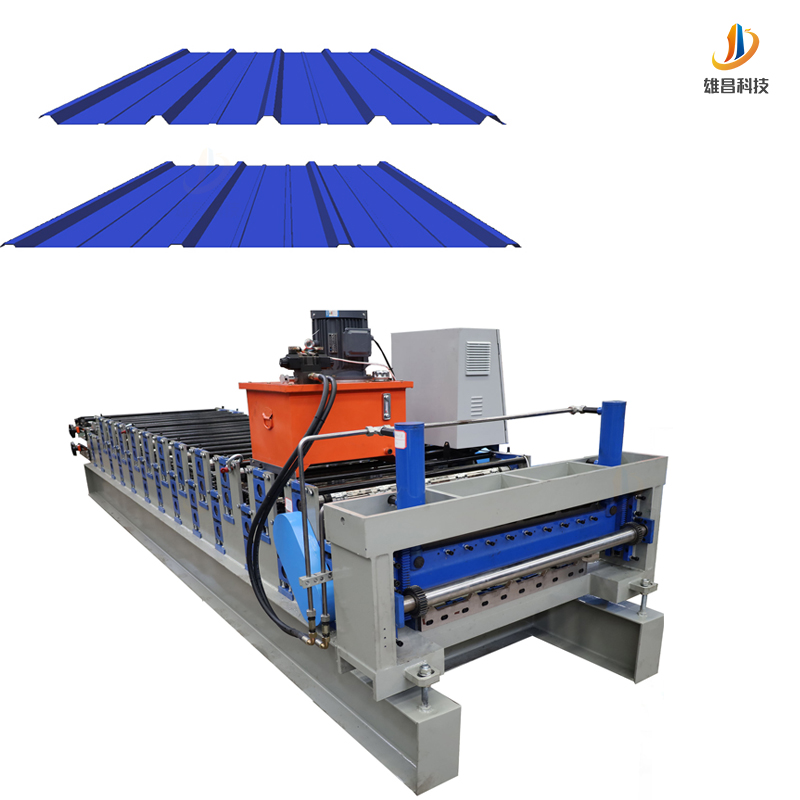
Double Layer Roll Forming Machine
Two roofing profiles on one frame, such as trapezoidal and corrugated. This cuts floor space and capital cost for suppliers serving mixed markets.
View Details
Roofing, standing seam, purlin and floor deck lines, designed from your drawing and test-run before shipment.

One Partner. Every Profile.
Trapezoidal, corrugated, glazed tile, standing seam, C/Z purlin and floor deck.
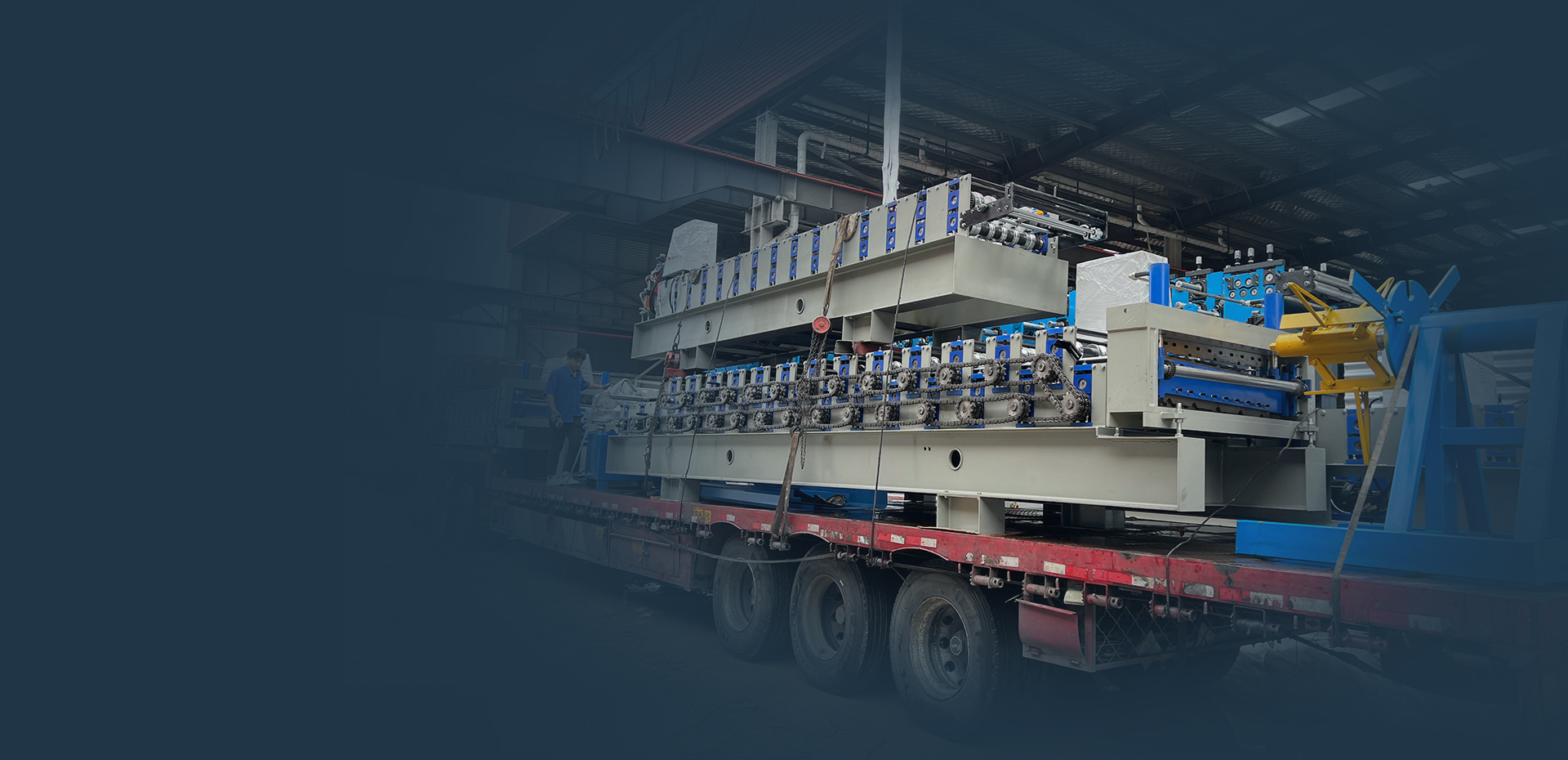
Built in China. Tuned for Your Market.
Local profiles, voltages and coil standards, with commissioning support worldwide.
Choose a machine family below. Every model is configured to your coil thickness, yield strength, profile drawing and site power supply. Standard catalogues are a starting point, not a limit.
For trapezoidal (IBR), corrugated, glazed tile and dual-profile production from PPGI, GI and Galvalume coils. This is the most requested category for building-material distributors and roofing contractors.
Two roofing profiles on one frame, such as trapezoidal and corrugated. This cuts floor space and capital cost for suppliers serving mixed markets.
View Details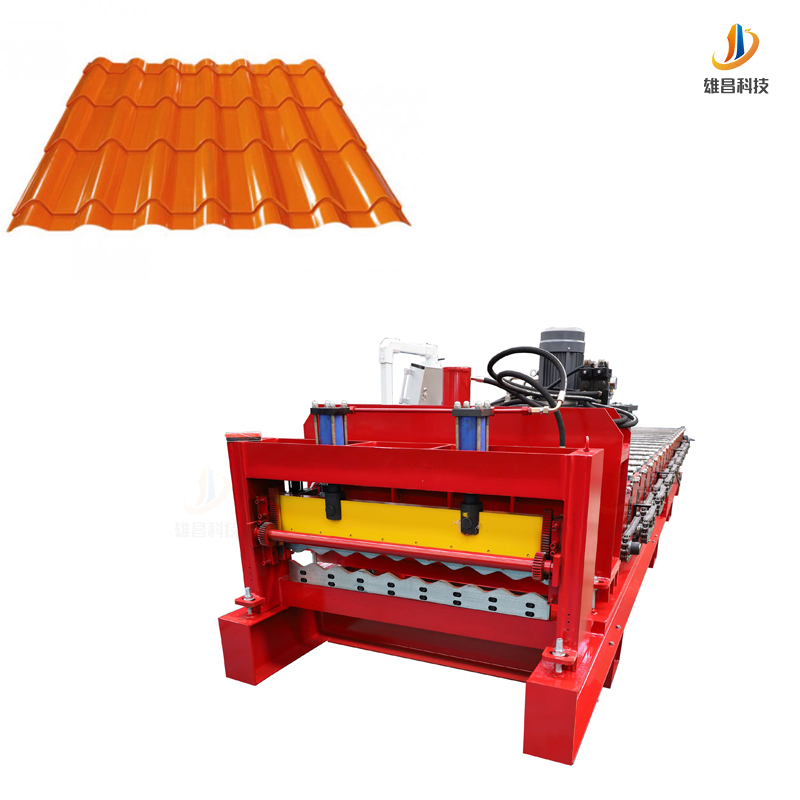
Forms decorative step-tile panels. A hydraulic press station is synchronized with the PLC to give uniform step depth and clean tile lines.
View Details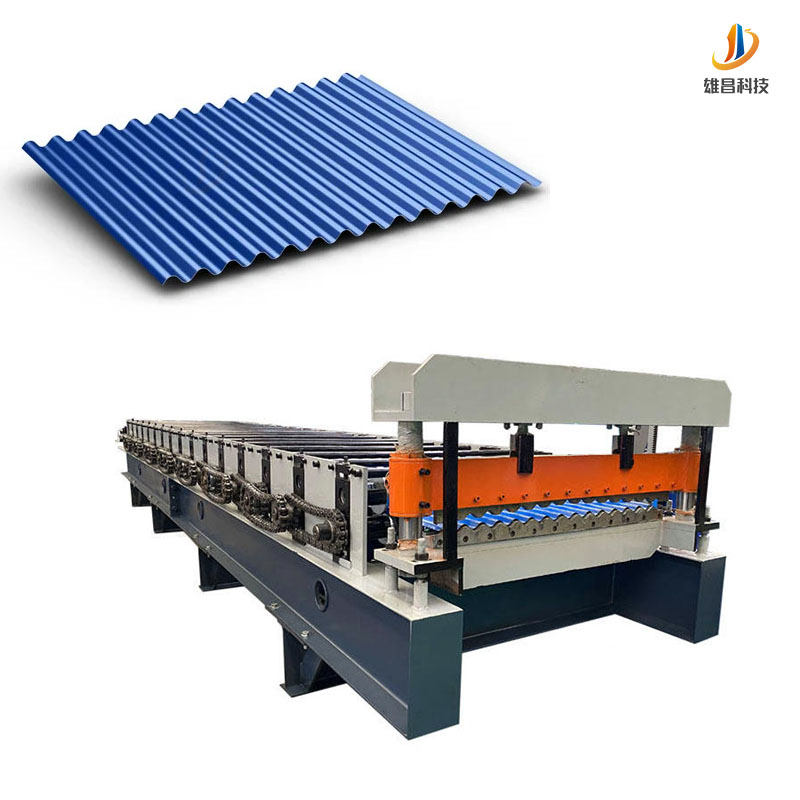
Rolls sinusoidal corrugated sheets. It is an economical, high-volume profile for agricultural, residential and warehouse roofs and walls.
View Details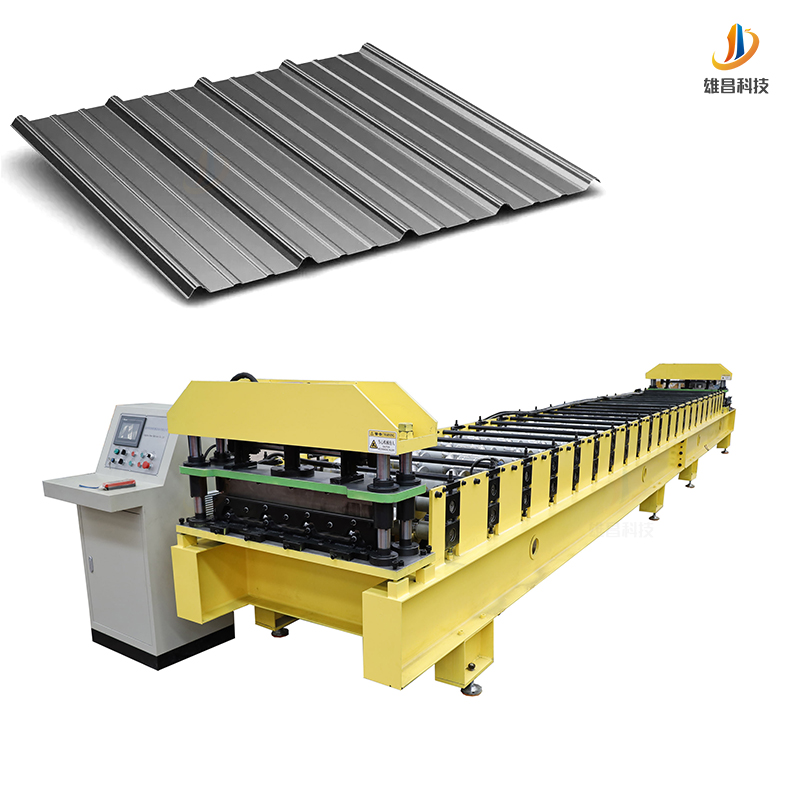
Produces AG and Tuff-Rib panels with consistent rib height and lap fit. It is built for post-frame and agricultural building suppliers.
View DetailsConcealed-fastener panel machines for architectural and commercial roofs. Each one is matched to a seam system so panels lock reliably on site, with no oil-canning from uneven forming.
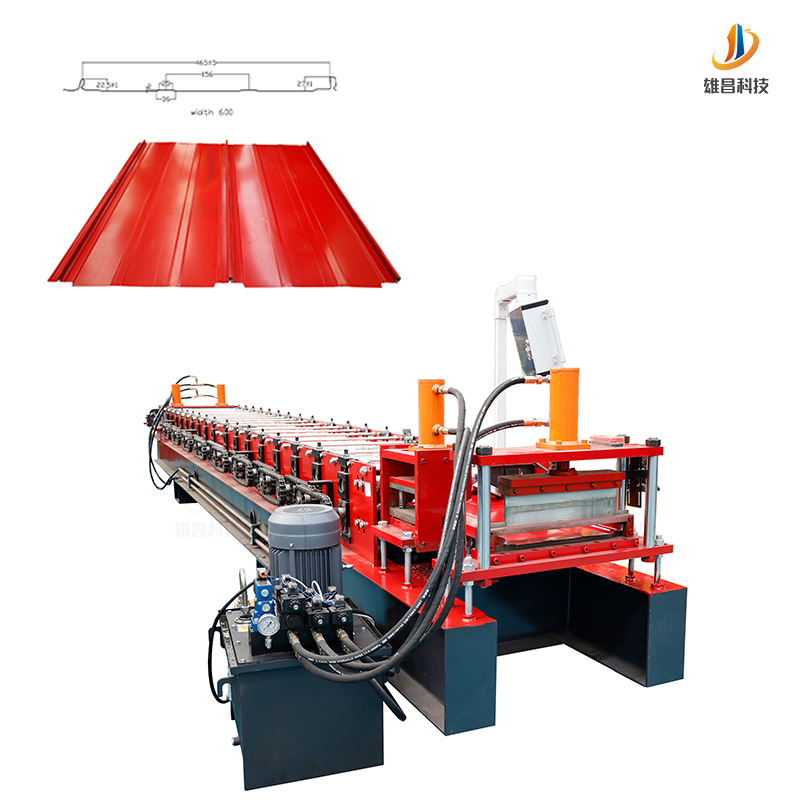
Snap-lock panels with an integrated nailing flange. No separate clips are needed, which makes it ideal for residential and light commercial roofs.
View Details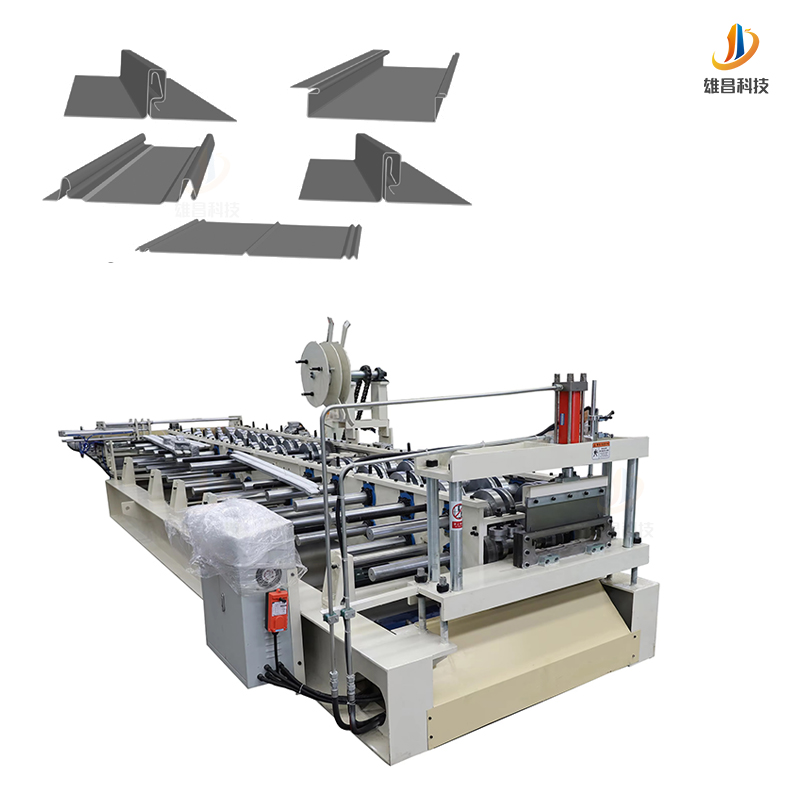
Forms male and female seam legs that snap together by hand. The fit tolerance is controlled for watertight, field-friendly installation.
View Details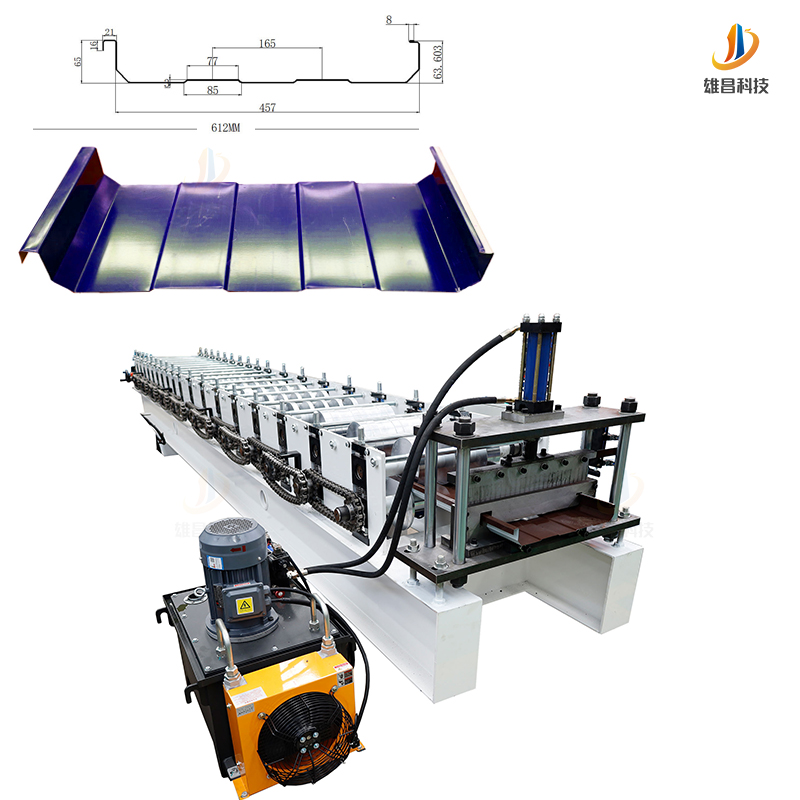
High-strength panels for field-seamed single or double lock systems. Wind-uplift resistance makes it suitable for large-span industrial roofs.
View DetailsHeavy-gauge lines for C and Z purlins used in steel structure buildings. They include pre-punching and post-cutting options to deliver ready-to-erect members.
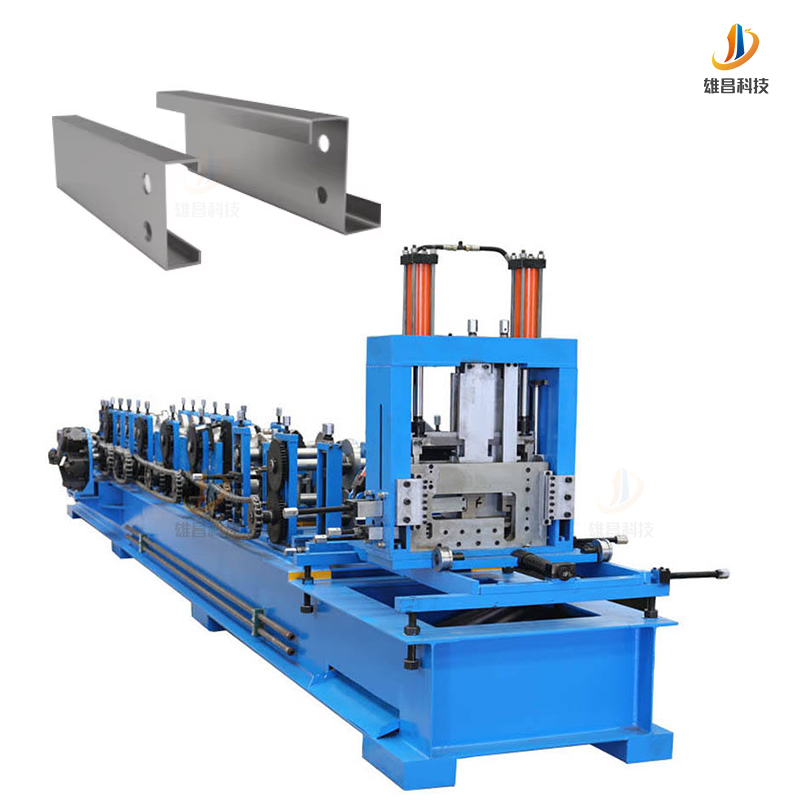
Produces both C and Z purlins on one line with fast size changeover. This keeps one investment flexible across many building projects.
View Details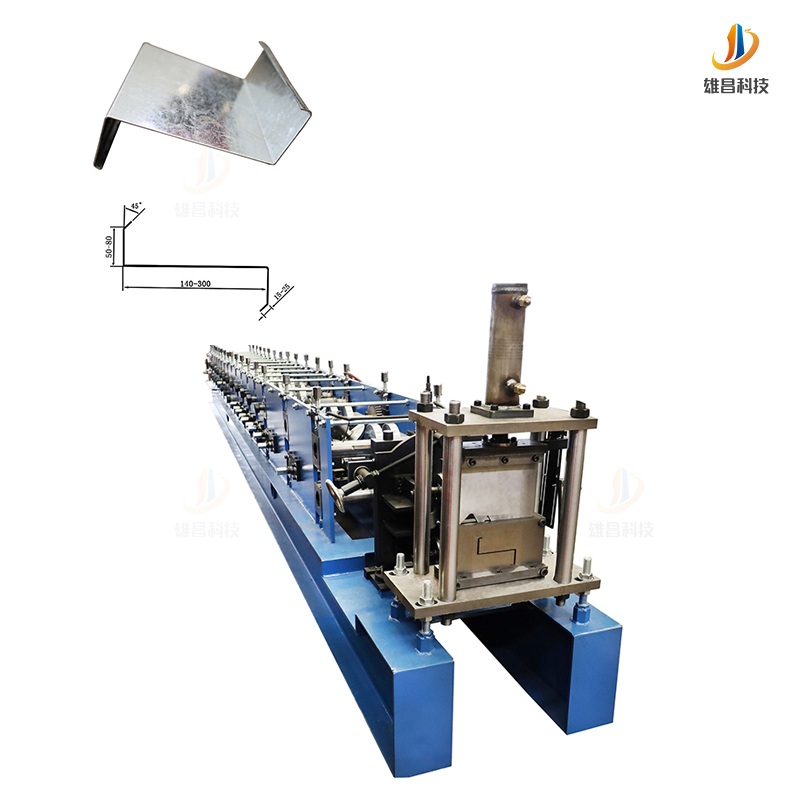
A dedicated Z-section line with lapping capability for continuous purlin runs on long-span roofs and wall girts.
View Details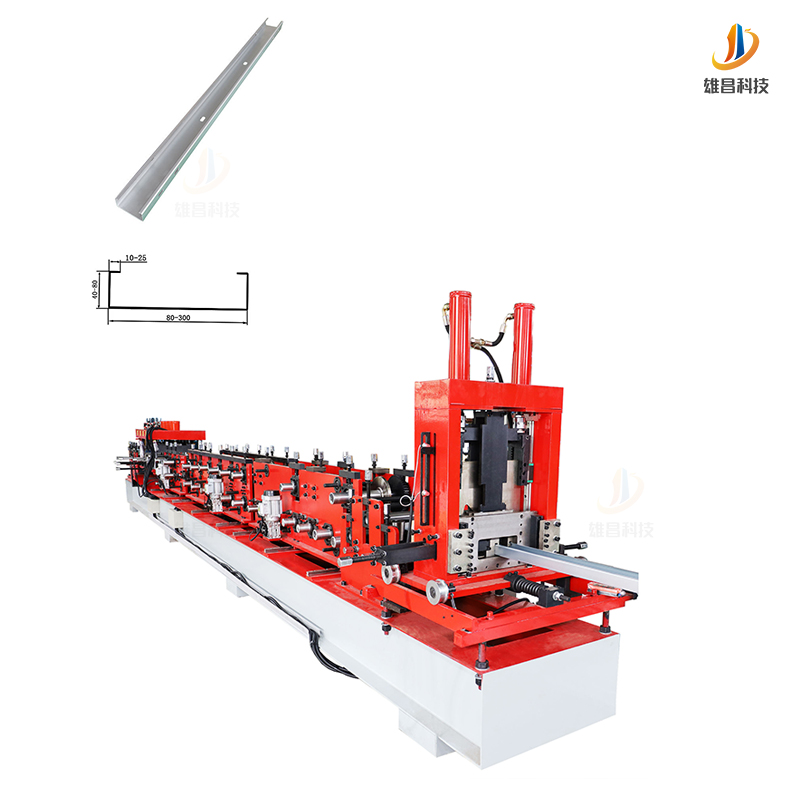
Continuous, fully automatic C-section production with PLC length control and hydraulic punching for bolt holes.
View DetailsFor composite steel decking in multi-storey concrete slabs, from commercial buildings to industrial mezzanines.
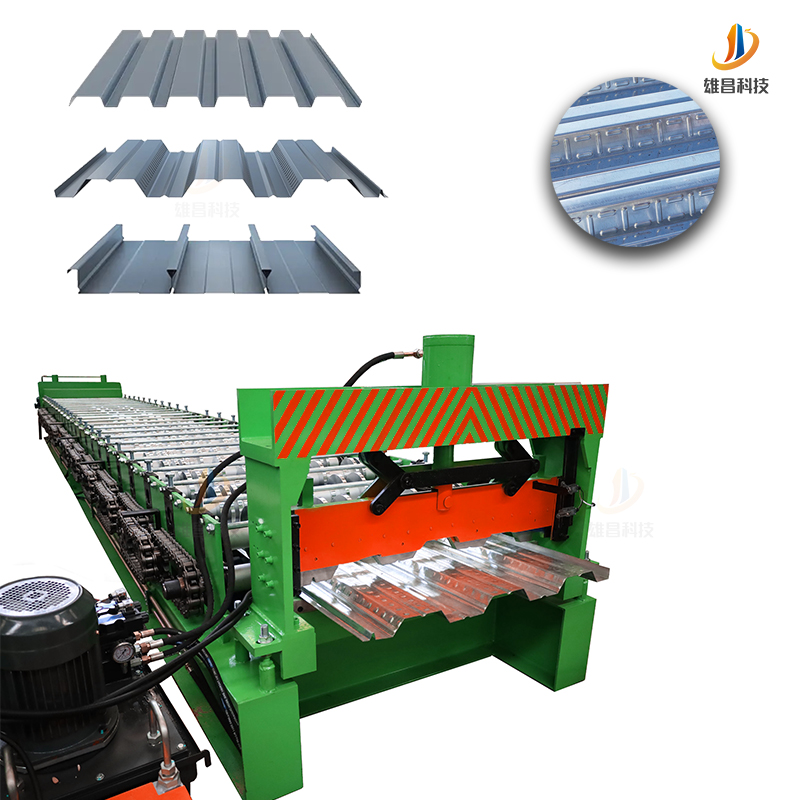
This line converts galvanized coil into composite floor decking. Embossing rolls create the mechanical bond with concrete, and a heavy-duty frame holds deck depth and cover width over long production runs.
A roll former is only as good as its weakest station. Move your cursor across the line to inspect each stage, or tap a numbered point to see how XC engineers it.
Hover to magnify the structure · Tap numbered points for the working principle

XC supplies more than a machine. We deliver complete production lines, including the decoiler, forming mill, punching, cutting, stacking and control system, engineered as one integrated unit so your output starts on schedule.

Our customers range from residential roofing suppliers to large industrial and infrastructure contractors. Each line ships with English manuals, electrical diagrams, spare parts and remote or on-site commissioning, which supports long-term operational reliability.
Sichuan Xiongchang Technology Co., Ltd. (XC) designs and manufactures cold roll forming equipment for roofing, flooring, door and structural components, together with the auxiliary line equipment each system needs to run efficiently.
Our team brings more than 20 years of hands-on roll forming experience. That experience shows in the details buyers notice after installation: rollers that hold tolerance, coatings that don't crack at the bend, and panels that fit on the roof the first time.

Years of roll forming industry experience
Factory area for machining & assembly
Cooperative customers worldwide
Team members across engineering & production

Two decades of profile development across roofing, structural and decking applications. We have solved the edge waves, flare and coating cracks that cheaper machines leave to the buyer.

Rigid frames, precision-machined shafts and hard-chrome plated rollers keep profiles within tolerance shift after shift. That protects your margin and your reputation with contractors.

Engineers answer technical questions directly, from pre-sale profile review to commissioning and spare parts. You get one accountable team for the full life of the machine.
Roofing sheets, wall cladding, standing seam panels, floor decking and C/Z purlins. These are the core profiles of modern steel buildings, warehouses and residential projects.
Quotes are only comparable when the specifications are. Use these indicative ranges and the key check for each machine type to judge any supplier's offer, including ours.
| Machine Type | Typical Coil Thickness | Forming Stations | Typical Line Speed | What to Verify in a Quote |
|---|---|---|---|---|
| Trapezoidal / IBR Roofing | 0.3–0.8 mm | 16–22 | 15–30 m/min | Roller material and chrome thickness; shaft diameter |
| Corrugated Roofing | 0.3–0.6 mm | 18–24 | 15–30 m/min | Wave pitch accuracy and edge waviness on thin coil |
| Glazed Step Tile | 0.3–0.7 mm | 12–18 | 3–6 m/min | Press-station cycle and step-depth consistency |
| Standing Seam | 0.4–0.8 mm | 12–20 | 10–20 m/min | Seam system compatibility and panel width adjustment |
| C/Z Purlin | 1.5–3.0 mm | 14–20 | 10–20 m/min | Size-change method (manual or automatic) and punching dies |
| Floor Deck | 0.7–1.5 mm | 20–30 | 10–15 m/min | Embossing pattern and frame rigidity for deck depth |
Ranges reflect typical XC configurations for reference only. Final parameters are engineered to your profile drawing, material yield strength, output target and site power supply.
A transparent five-step process, so overseas buyers know exactly what happens and when.
Send your drawing, sample or photo plus coil data. Engineers check that the profile can be formed and flag any risks.
You receive the station count, roller material, drive and cutting system, power configuration and a confirmed schedule.
Frames, shafts and rollers are machined and assembled in-house, with inspection at each critical stage.
The line runs with coil matching your specification. Samples are measured, and a video report is shared for approval.
Export packing, documentation, then remote or on-site installation and operator training.

Why continuous roll forming beats press braking for long, consistent profiles, and which industries gain the most from it.

Six root causes of bearing failure, the diagnostic checks to run first, and how they show up as strip tracking loss and coating defects.

From bend radius to roll pass design, this article explains what makes coatings crack at the bend line and how coating-safe forming prevents it.
Straight answers based on the projects we deliver every year. Need a detail not covered here? Our engineers reply directly.
Contact Our EngineersGet our full catalog with machine layouts, technical specifications and profile options. It is the fastest way to brief your team and compare suppliers.
